Just in time for the holidays comes this much-anticipated update to Polyend Synth with a beta version of firmware 2.0 that includes the Dirt synth engine and a Quickselect feature.
Polyend SynthPolyend Synth 2.0 BetaUpdate 1.3 Brings Crazy Sample-Based Engine, MoreUpdate 1.3DWA EngineUpdate 1.3: Other AdditionsMultitimbral Polyphonic Synth With 8 Engines to Blow Your MindPolyend SynthEight Synthesis EnginesEight Voices of PolyphonySynth EffectsPrice and AvailabilityMore Information
Polyend Synth 2.0 Beta
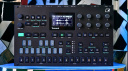
Polyend has been updating its devices and now it’s Synth’s turn. The company just posted Synth 2.0 Beta #1, which adds the Dirt synth engine plus a Quickselect feature.
Dirt is a full new synth engine that allows you to blend between five oscillator shapes plus a sub mix, offers bi-directional warping, and has multiple waveshaper modes.
The Quickselect feature lets you load assignable scenes via the 60 grid pads.
The beta update, which also includes bug fixes and improvements, is available to download on Polyend Backstage.
Polyend Synth is available from Thomann*.
Affiliate Links
Polyend Synth
Customer rating: (22)
$444.00 / £399.00 / 449.00€ at
Polyend Synth Update 1.3 Brings Crazy Sample-Based Engine, More
[5 May 2025] Firmware update 1.3 adds DWA sample-based synth engine, dedicated MIDI engine, expanded MIDI capabilities, new content and more to the Polyend Synth. Get some.
Polyend Synth Update 1.3
Just in time for Superbooth25, Polyend has announced a new firmware update for its tabletop Synth instrument. Version 1.3 adds a number MIDI improvements, but the real star of the firmware is the DWA synth engine.
Polyend Synth Update 1.3: DWA Engine
Dubbed an experimental sample-based synth engine, DWA is more than just a sample player. It lets you combine two separate sample layers and go wild on them with synced looping, feedback and crossfading to create anything from glitched-out drum loops and pads to single-cycle waveforms and even Karplus Strong-style string synthesis. Yes, sample-based Karplus Strong. Mercy.
“DWA is designed around dual sample layers – similar to our dual-oscillator synths,” said Developer Karol Celiński. “The outcome turned out to be very playable and expanded the sound design possibilities exponentially. The goal was to design a sample engine with lots of potential for modulation of how the loop plays back, the size of the loop, etc. Synced loops became one of the most unique aspects of this engine, I think it works differently than anything existing. Every looped sample creates a kind of rhythm on its own.”
Here’s a full list of the DWA functions:
Independent dual sample playback
One shot, loop, synced loop or ping-pong playback modes
Forward or reverse playback of each sample
Feedback loops with pitch tracking and delay
Sample window size control.
Mix, tune and crossfade per sample
Modulation matrix with two LFOs and three envelopes
Multi-mode filter (LP, HP, BP, Notch)
Polyphonic aftertouch assignable to any parameter
Polyend Synth Update 1.3: Other Additions
Firmware version 1.3 also adds a new MIDI engine with the ability to save and load custom MIDI CC mappings, MIDI input pad mapping, polyphonic aftertouch and channel pressure support for external devices, custom color settings, multi-synth grid layouts to play multiple synth engines on one grid pad simultaneously, and more.
You also get a new free factory content pack to use in the DWA engine with 50-plus DWA patches, a DWA sample pack with 100 samples curated from Polyend’s Palettes collection and ready-to-use scenes.
Polyend Synth owners can download the new update for free at the below link.
Polyend Synth is available now from Thomann* for $499 / €499.
Affiliate Links
Polyend Synth
Customer rating: (22)
$444.00 / £399.00 / 449.00€ at
Polyend Synth download page
Polyend Synth: Multitimbral Polyphonic Synth With 8 Engines to Blow Your Mind
[12 November 2024] Don’t let the plain name fool you: Polyend Synth packs 8 synthesis engines into a tabletop grid-based instrument with 3 sequencers, chord modes, and more. Is it getting hot in here?
Polyend Synth
A year ago this month, Polyend launched its Play+, an upgrade of its popular groovebox with four new synth engines. It seemed like the obvious move for Polyend to put those digital synths into their own instrument, and that they have – in a sense. Three have made the crossover, with five more engines joining plus a bunch of other cool features. Folks, meet Polyend Synth.
Eight Synthesis Engines
A tabletop, grid-based instrument, Polyend Synth may look like its other grooveboxes but this one is definitely a “synth,” as the name suggests. First of all, there are no drums. It’s just synths and synths and synths, all the way down.
Polyend Synth · Source: Polyend
Here are all eight:
PHZ: Eagle-eyed owners of the Tracker+ may have noticed that documentation mentioned PHZ but it was nowhere to be found in the instrument. It makes its debut here. What is it? It’s a phase distortion engine like the Casio CZ-101 and adds new PD algorithms.
ACD: You may remember this one, a Roland SH-101-inspired synth, from the Play+.
VAP: This virtual analog engine “channels the timeless warmth of the (Sequential) Prophet-6, encapsulating its spirit in a digital format.”
PMD: This physical modeling engine apparently has roots in techniques from Mutable Instruments. Maybe it has some Rings DNA?
GRAIN: As you might expect from the name, this is a granular synthesis engine and works with user-loaded samples. It also features a unique Burst mode for “rhythmically synced grain production.”
WAVS: A two-oscillator wavetable engine, it supports importing of user wavetables and features a Retro mode for extra aliasing.
WTFM: Wavetable and FM, together again.
Polyend Synth · Source: Polyend
Eight Voices of Polyphony
Rather than use the engines one at a time, Polyend Synth invites you to control three at a time. Yes, it’s multitimbral, with eight voices of polyphony, plus a paraphonic mode in GRAIN.
Polyend Synth · Source: Polyend
You can play the synth engines in a number of different ways: by assigning three across the 12 x 5 grid in Smart Grid mode and playing them with the pads with polyphonic aftertouch; via the three independent sequencers or arpeggiators that respond to playing in real time; or the three chord modes.
The chord modes sound particularly interesting. Two synth engines can be set to be “followers,” which change their notes according to the current chord played. There are scale locks to help keep everything within a set scale. The followers can react to changes even when using chord packs drawn from multiple scales.
Synth Effects
Polyend Synth also offers a selection of effects. These are grouped into three sections, modulation, reverb and delay, each with a selection of sub-effects, like chorus, phaser and flange under modulation and tape-style analog delay.
Polyend Synth · Source: Polyend
Price and Availability
Polyend Synth looks like a whole lot of synth fun in a single package. It also sounds great. Dare we say digital is the new analog?
“Our goal was to develop a device that merges complexity with true playability,” said Polyend’s founder, Piotr Raczyński. “Synth is designed for musicians who want an accessible but sonically rich experience.”
More Information
Polyend home page
All about Polyend
All about synthesizers
All about grooveboxes
The post Polyend Synth 2.0 Beta: Get the Dirt Synth Engine Now appeared first on gearnews.com.