We explore the art of distortion, delving into ways of using harmonics, saturation, and clipping to add colour, texture, and definition to your mix.
In this Article:The Art of Distortion: HarmonicsEven vs. Odd HarmonicsWhy Harmonics MatterThe Art of Distortion: SaturationTape SaturationTube and Transformer SaturationDigital SaturationTechniquesThe Art of Distortion: ClippingSoft ClippingHard ClippingUsing Clipping in MixingThe Art of Distortion: Choosing the Right DistortionVocalsGuitarsBassDrumsSynthsMix BusThe Art of Distortion: Workflow TipsMore about the Art of Distortion:
There is far more to using distortion than just pushing the signals inside an audio system to their limits. In fact, it is a highly expressive and multifaceted tool for sound-shaping that can be used in both creative and more technical applications. The sonic range that is possible with distortion is vast, and luckily, with the plugins of today, we can convincingly emulate saturation characteristics from tube and transformer circuits.
This allows us to tonally enhance any sound source, adding texture and amplifying emotion. When we understand how to use harmonics, saturation, and clipping, we can apply them in varying amounts to a range of elements in the mix, from vocals to guitars, drums, synths, and even the whole mix.
The Art of Distortion: Harmonics
The distortion of a signal intentionally alters the waveform, and this introduces additional frequencies known as harmonics. These are related to the original signal, as harmonics are integer multiples of its fundamental frequency, and they play a key role in the resulting sound of distortion.
Even vs. Odd Harmonics
Even harmonics (2nd, 4th, 6th…) introduce musical consonance, roundness, and warmth. Here, you get warm, musical reinforcement of the source without adding aggression. Even-harmonic distortion can be created by tape machines, tubes, and transformer-based gear.
Constrastingly, odd harmonics (3rd, 5th, 7th…) impart grit and attitude onto signals. These are for more pronounced, and we often find them in music genres that have an aggressive sonic character – think Nine Inch Nails.
Why Harmonics Matter
One of the interesting things about harmonics is that they can reshape the timbre of a sound without boosting the level too much. This allows us to use harmonic distortion for adding density or presence to help an instrument cut through a dense mix. Harmonics can emphasize the attack of drums or improve the translation of bass on small speakers. Meanwhile, they can enrich vocals with emotion and edge.
As your ears develop, a useful skill becomes recognizing the particular type of harmonics needed in a mix. Not every song sounds good with tons of tube saturation. Instead, a touch of odd-harmonic grit in the right areas can be just the ticket.
Affiliate Links
Universal Audio Studer A800 MTR Native Download
Customer rating: (4)
$45.00 / £42.00 / 47.00€ at
The Art of Distortion: Saturation
Saturation is an extremely versatile type of distortion that originates in analogue gear such as tube amps, tape machines, and consoles when you push them outside of their comfort zone. Instead of viciously trampling peaks, saturation adds compression and harmonics in a smooth, natural way.
Tape Saturation
Aside from gently compressing, tape saturation enriches the low midrange, smooths the highs, and introduces slight modulation from the magnetic hysterersis and tape speed variation. Its ideal applications are:
Drum bus glue
Vocal transient shaping
Synths and bass density
Warm analogue glow on mix bus
There is also a cumulative effect to tape saturation, as adding subtle quantities over multiple channels builds a warm, cohesive flavour.
Tube and Transformer Saturation
While tubes introduce pleasing even harmonics with natural warmth, transformers can add low-end punch, upper midrange presence, and a touch of compression.
Tube circuits generate predominantly even harmonics, delivering creamy warmth and pleasant coloration. Transformers, by contrast, add a bit of compression, low-end weight, and upper-mid presence.
It’s useful for:
Vocal density and warmth
Smoothly enhancing guitar or bass tracks
Slight harmonic boost for strings, piano, and pads
Pushing important midrange elements forward in the mix
Digital Saturation
With plugins, we can recreate the behaviour of analogue saturation circuits or even build new types of distortion. These processors provide precise sound sculpting control for adding gentle colouration or more severe harmonic shaping.
We can use them for:
Enriching details and nuances without adding harshness
Adding harmonics precisely for increased clarity
Multiband and mid-side saturation
Sound design
Techniques
Parallel processing: Balance the wet (saturated) and dry signals to add character, but preserve clarity
Frequency-based processing: Target specific frequency bands for more coherent results, like 1-3 kHz for vocal presence
Serial processing: Many subtle saturation stages can sound more natural than a single drastic stage
Affiliate Links
FabFilter Saturn 2 Download
Customer rating: (8)
$139.00 / £115.00 / 129.00€ at
The Art of Distortion: Clipping
Within an audio system, clipping occurs when a signal goes beyond the maximum handling level, which flattens out the highest peaks of the waveform. Instead of shaping transients gradually, clipping is generally more aggressive. However, when we have more control of the parameters at play, clipping can be a transparent process, which is very useful in mixing.
Soft Clipping
Soft clipping is a process that shapes peaks subtly and introduces harmonics in a natural way. Its behaviour is somewhere in between saturation and clipping, making it versatile. We can use it for:
Improving tightness of kick and snare transients
Tightening kick and snare transients
Drum bus punch
Boosting loudness without introducing artifacts
Adding more consistency and cohesion to bass dynamics
Hard Clipping
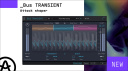
Hard clipping gives peaks a sudden decapitation, which is probably where a certain plugin got its name. This process is the most intense form of distortion, producing a wealth of odd harmonic content which suits punchy, aggressive music styles.
We can use hard clipping for:
Aggressive kick drums
Drum transient processing for modern Pop
Creating deep bass sounds
Winning the loudness war while preserving clarity
Using Clipping in Mixing
In traditional analogue recording, clipping may have been a no-no, but it is now a widely used production technique. With specialized clipper plugins or dynamics processors with clipping modes, we can perform tasks such as:
Reduce the perceived signal distortion compared to intense limiting
Create more transient stability
Provide further dynamics control for mix bus before reaching the final limiter stage
For mastering, we can use clipping to trim back unpredictable peaks while improving consistent loudness before the track is shaped by the master limiter.
Affiliate Links
Brainworx bx_clipper Download
No customer rating available yet
$32.00 / £29.00 / 33.00€ at
The Art of Distortion: Choosing the Right Distortion
Getting pleasing results with distortion is about a marriage between signal dynamics and the harmonic content you’re introducing.
Vocals
Tube or transformer saturation adds presence and warmth
Subtle odd-harmonic saturation brings attitude
Only use heavy clipping for creative sound design applications.
Guitars
While electric guitars often use distortion, we can add saturation to create more defined texture
For clean guitar sounds, add density with tube or tape saturation
Bass
Added harmonics improves translation of bass instruments on small speakers
Experiment with parallel saturation or multiband distortion in the midrange
Drums
Add punch with soft clipping or tape saturation
Hard clipping can be useful in “sound designer” music styles
Saturation on drum overheads adds cohesion and presence
Synths
Tone shaping can be done with distortion and filter resonance
Try different distortion types on each layer, like warm tube sawtooth pads, grinding odd-harmonic midrange leads, and clipping sub bass.
Mix Bus
A gentle approach is key, using tape, transformer, or soft clipping
Go for glue, not destruction
Affiliate Links
Boss DS-1 Distortion
Customer rating: (946)
$75.00 / £66.00 / 76.00€ at
The Art of Distortion: Workflow Tips
Gain staging: Distortion responds to your input gain control; even slight adjustments can result in drastic colour changes.
Use plugins with harmonic visualization. Spectral analysers show us what each process introduces to a sound.
Use automation to define song sections. Distortion dynamics can animate the tone and texture of a performance.
Use EQ both before and after distortion to control the behaviour and tame harshness.
Don’t distort absolutely everything in your mix. Contrast makes the key elements stand out for a greater overall impact.
More about the Art of Distortion:
Thomann’s Guide to Distortion Pedals
Read more about Distortion on Gearnews
*Note: This article contains affiliate links that help us fund our site. Don’t worry: the price for you always stays the same! We will receive a small commission if you buy something through these links. We appreciate your support!
The post The Art of Distortion: Harmonics, Saturation, and Clipping appeared first on gearnews.com.